


Dec 22,2025
Performance Anxiety: How the Mind Affects Sexual Health
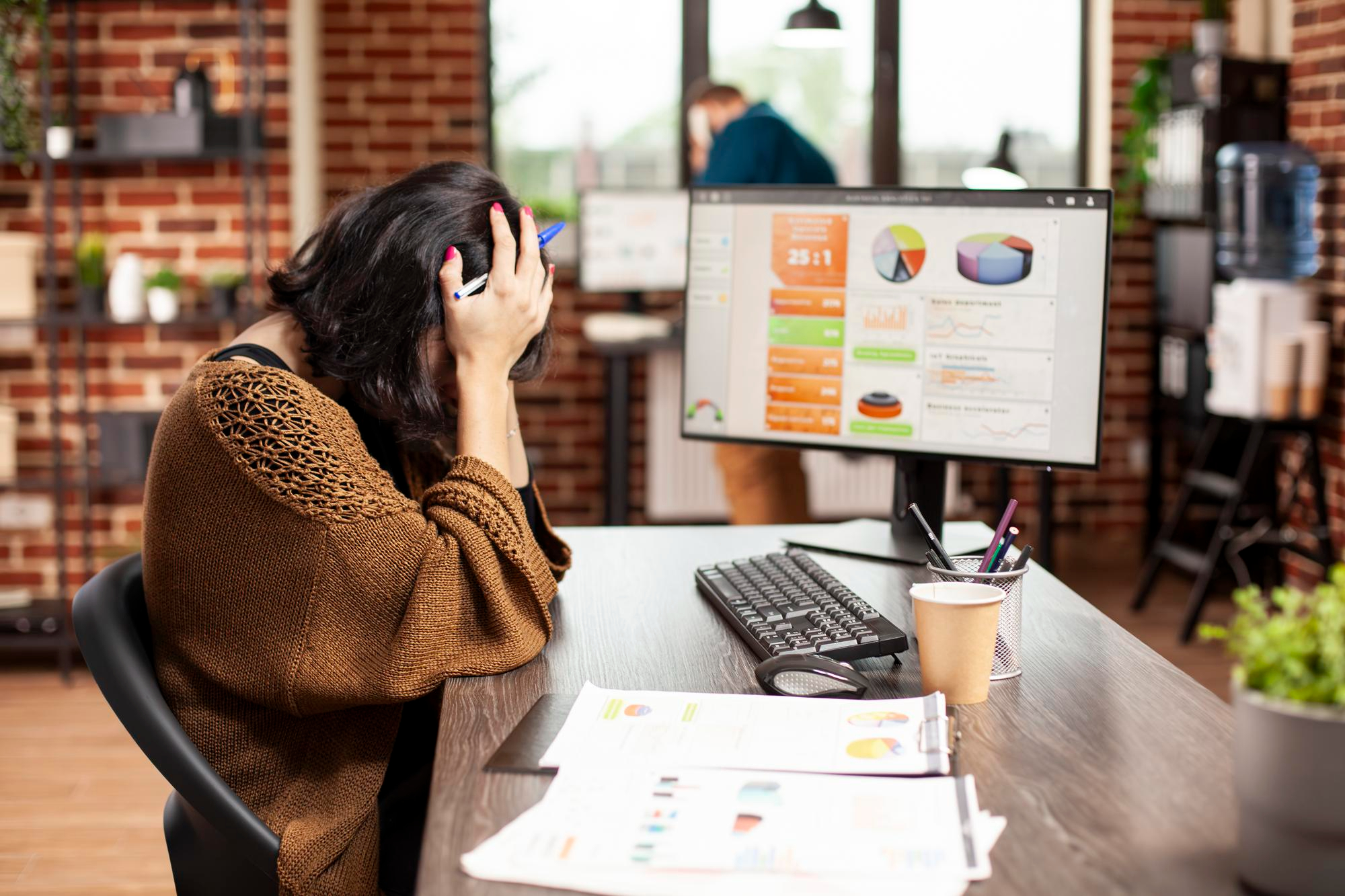
There are few topics men find harder to talk about than performance in the bedroom. It’s personal, emotional, and for many, tied closely to confidence and self-image. When things don’t go as expected, the first thought often jumps to a physical problem. But in many cases, the cause starts somewhere else in the mind.
Performance anxiety is one of the most common yet least discussed reasons for sexual difficulties among men. It doesn’t discriminate by age, relationship status, or profession. What begins as a single anxious moment can quickly become a pattern, shaping both body and behaviour in ways that few realise.
Understanding Performance Anxiety
Performance anxiety isn’t a medical condition by itself; it’s an emotional response that spills over into physical function. The body’s natural “fight-or-flight” system releases adrenaline whenever we feel nervous or judged. This same hormone that keeps us alert in stressful situations also constricts blood vessels, making it difficult to achieve or maintain an erection.
In simple terms, the body cannot be in survival mode and intimacy mode at the same time.
The result is a vicious cycle worry about performance triggers anxiety, anxiety interferes with arousal, and the next experience begins with even more fear. Many men describe it as their mind working against them at the very moment they want it to cooperate.
How the Mind and Body Interact
The connection between sexual response and mental state is immediate. When relaxed, the brain releases dopamine and oxytocin, chemicals that enhance pleasure and intimacy. When anxious, the body floods with cortisol and adrenaline instead. The shift may seem invisible, but it changes everything from heartbeat to blood flow.
Research shows that nearly one in three men experience some degree of performance anxiety at least once in their lives. For some, it occurs after a stressful period at work; for others, it follows an unexpected episode of erectile difficulty. Whatever the trigger, the body remembers the fear and replays it. Over time, what was a temporary stress reaction can develop into persistent erectile dysfunction or loss of desire — not because the body has failed, but because the mind is constantly anticipating failure.
The Emotional Layer Few Discuss
Behind performance anxiety often lies deeper emotional weight — fear of judgment, guilt, or the pressure to “prove” masculinity. In cultures where conversations around sexual health remain guarded, men are rarely encouraged to talk about vulnerability. They internalise expectations, equating sexual ability with worth.
That silence carries its own cost. Constant self-monitoring during intimacy disconnects the mind from sensation. Instead of sharing a moment, the focus turns inward Will this happen again? What if my partner notices? This internal dialogue fuels tension, and tension interrupts every stage of arousal.
Relationships feel the strain too. Partners may misread anxiety as disinterest or rejection. The longer it remains unspoken, the harder it becomes to bridge the gap.
The Role of Stress and Modern Lifestyle
Work stress, sleep deprivation, long hours, and constant digital stimulation have changed how men relax and recover. The mind rarely switches off, and the body follows that rhythm.
Studies suggest that chronic stress can lower testosterone levels by nearly 15 % and reduce the frequency of spontaneous erections during sleep — an early indicator of hormonal imbalance. The combination of fatigue, overthinking, and anxiety creates a perfect storm that blurs the line between psychological and physical causes.
Lifestyle habits add another layer. Excess alcohol, smoking, and late-night screen exposure dull the nervous system and impair circulation. When coupled with anxiety, these factors make recovery slower and self-confidence harder to rebuild.
Andrology Counselling — Relearning Calm
This is where andrology counselling becomes an essential part of treatment.
Before prescribing medication or tests, a Uro-Andrologist begins by listening — to understand patterns, stress triggers, and emotional responses. Counselling helps men see how their thoughts influence performance and teaches techniques to break that cycle.
Guided breathing, relaxation training, and gradual exposure therapy are often used to rebuild confidence. In some cases, involving the partner in counselling helps restore communication and intimacy. When the fear is named and understood, the body’s response often resets naturally.
At Dr. Karthikeyan’s clinic, men are encouraged to speak freely without embarrassment or labels. The focus is on reassurance helping patients realise that performance anxiety is common, treatable, and rarely permanent.
Finding Balance Between Mind and Body
A healthy sexual life thrives on balance between work and rest, effort and ease, expectation and acceptance. Building that balance takes small, consistent steps. Prioritising sleep, eating on time, exercising moderately, and scheduling breaks from screens all contribute to restoring hormonal rhythm.
Equally important is emotional openness. Talking to a counsellor or a trusted partner about worries doesn’t show weakness; it shows maturity. Once the fear is shared, its intensity fades. The mind learns that intimacy is not an exam to be passed but an experience to be enjoyed.
• Fact: Around 60 % of men with erectile concerns report stress or anxiety as a primary contributing factor, not a physical disease.
When to Seek Professional Help
If anxiety persists for more than a few weeks or begins to affect confidence and relationships, professional support is essential. A Uro-Andrologist and Male Fertility Expert can rule out medical causes while addressing the psychological triggers simultaneously.
Sometimes mild medication is prescribed to improve confidence in the short term while counselling continues in parallel. The goal is always long-term recovery — helping men trust their bodies again.
Ignoring the issue, on the other hand, can make it harder to treat later. Early evaluation not only restores function but also prevents anxiety from seeping into other areas of life.
Conclusion
Performance anxiety is not a measure of masculinity; it’s a reflection of how deeply the mind and body are connected. The same stress that drives success at work can, if unbalanced, interfere with intimacy at home. The good news is that this connection works both ways once the mind learns calm, the body follows naturally.
If you’ve been noticing tension, worry, or repeated difficulty during intimacy, don’t stay silent. A conversation with Dr. Karthikeyan, Uro-Andrologist and Male Fertility Expert, can help identify whether the cause is physical, psychological, or both. Through a blend of medical evaluation and andrology counselling, treatment becomes not just about performance but about restoring ease and confidence.
Your body listens to your mind more closely than you think. When the mind finds peace, performance becomes effortless not forced, not feared.
Copyright © . Karthikeyan V S. All Rights Reserved.
Powered By: Cortex Media Marketing Pvt Ltd